Music House Museum: Michigan’s Quirky Cool Spot for Self-Playing Instruments is in Traverse City
 Share
Share

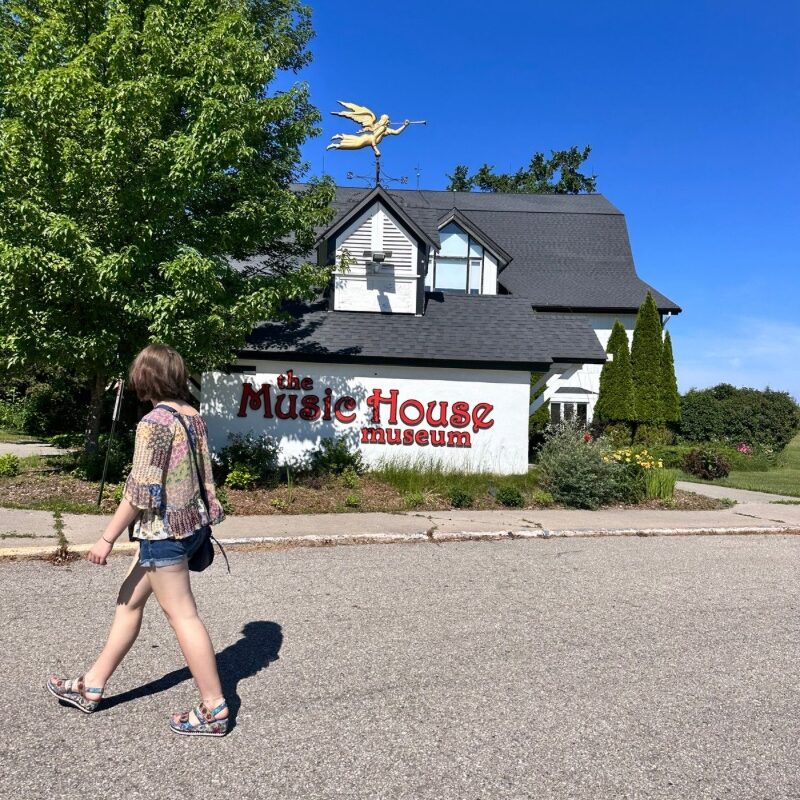
The Music House Museum is a Fun Stop that Most People Miss
Here’s one you don’t hear a lot about in Michigan: the niche museum just outside of Traverse City that’s filled with self-playing instruments.
Tucked away in an old restored farmstead, it’s The Music House Museum, and it’s a really well-done stop, especially if you like music, deep dives into how things used to be, how things work, or quirky experiences.
What is the Music House Museum?
I didn’t know much about the Music House Museum before I walked through its doors, just that I’d driven past it many times over the years.
That all changed when I visited this summer. I learned that it’s a non‑profit museum dedicated to automated and mechanical musical instruments, from late 1700s music boxes to the jukebox-era of the mid‑1900s.
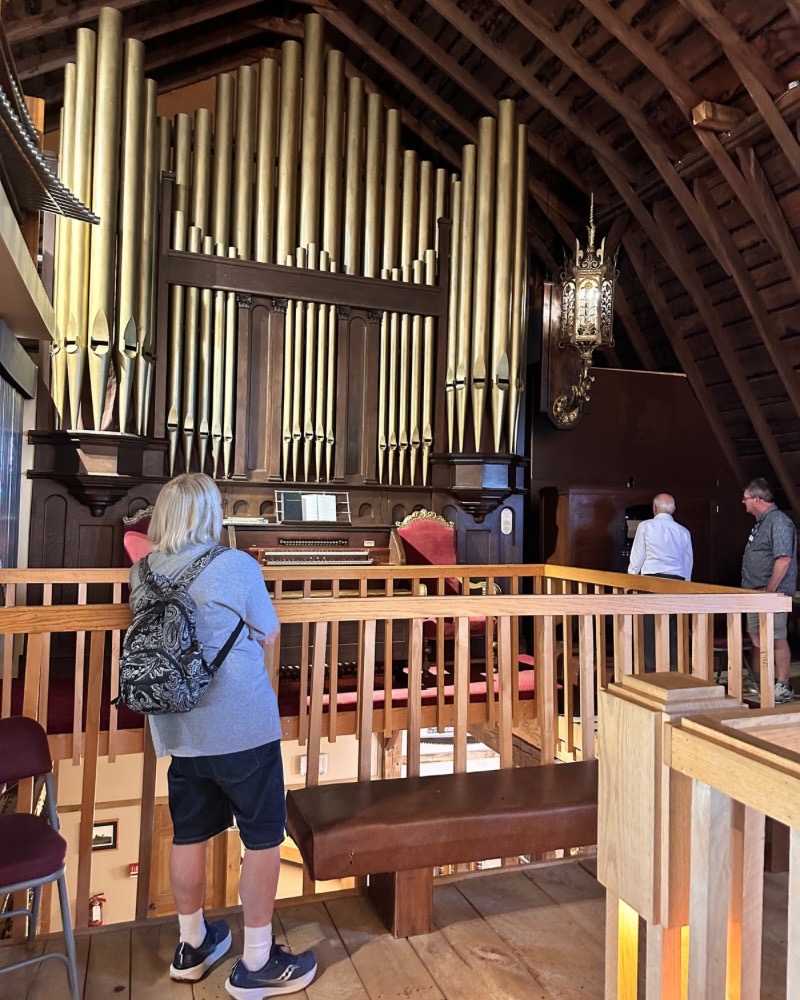
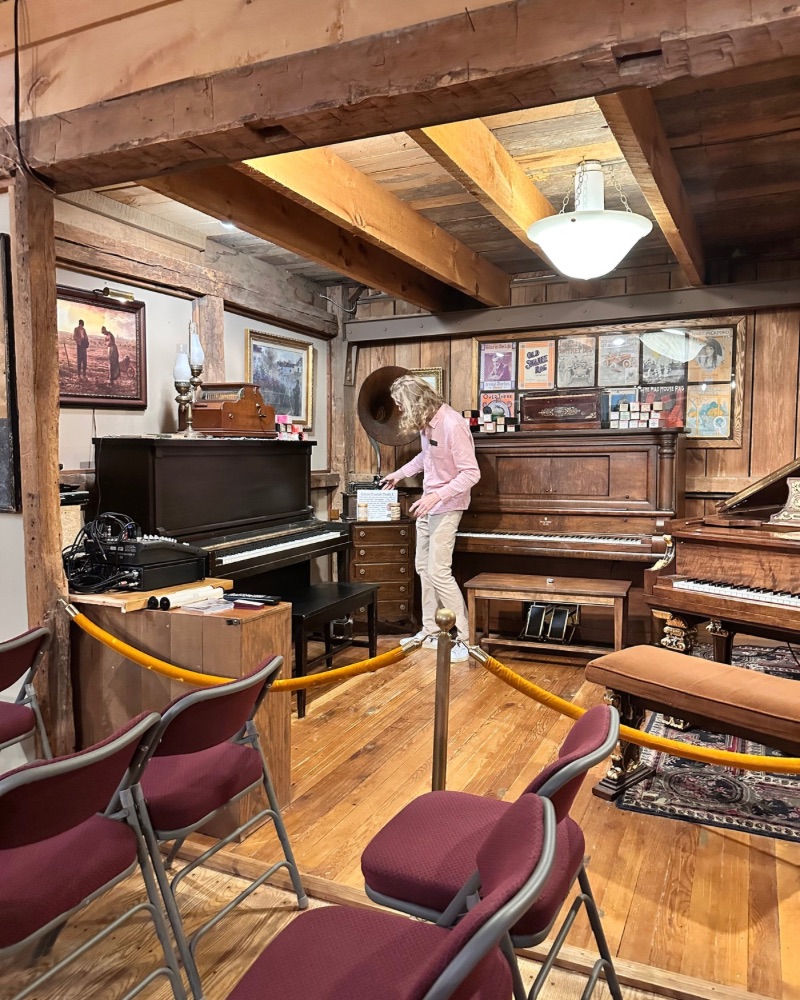
It sits in restored farm buildings (a dairy barn and granary) on the historic Stiffler family farm, turned into a turn‑of‑the‑century style “village” with parlors, a general store, and a saloon‑like setting.
It’s not a museum in the typical sense, though. When you visit, you won’t be wandering silently through halls of instruments and fact sheets. Yes, there are a few spots where individual browsing is the name of the game, but the place where the Music House Museum really shines is HOW they guide visitors through museum.
Touring the Music House Museum
All visitors are treated to a guided tour at this museum. Because the museum is small, and because playing more than one instrument at once wouldn’t make much sense, the facility has come up with an ingenious looping tour system to accommodate everyone, no matter when you happen to arrive.
Once admission fees are taken care of, guests join up with the current group tour. The tour is designed to walk you through the history of self-playing instruments with live demonstrations of actual working instruments. The inside is set up with a saloon replica to help set the stage.
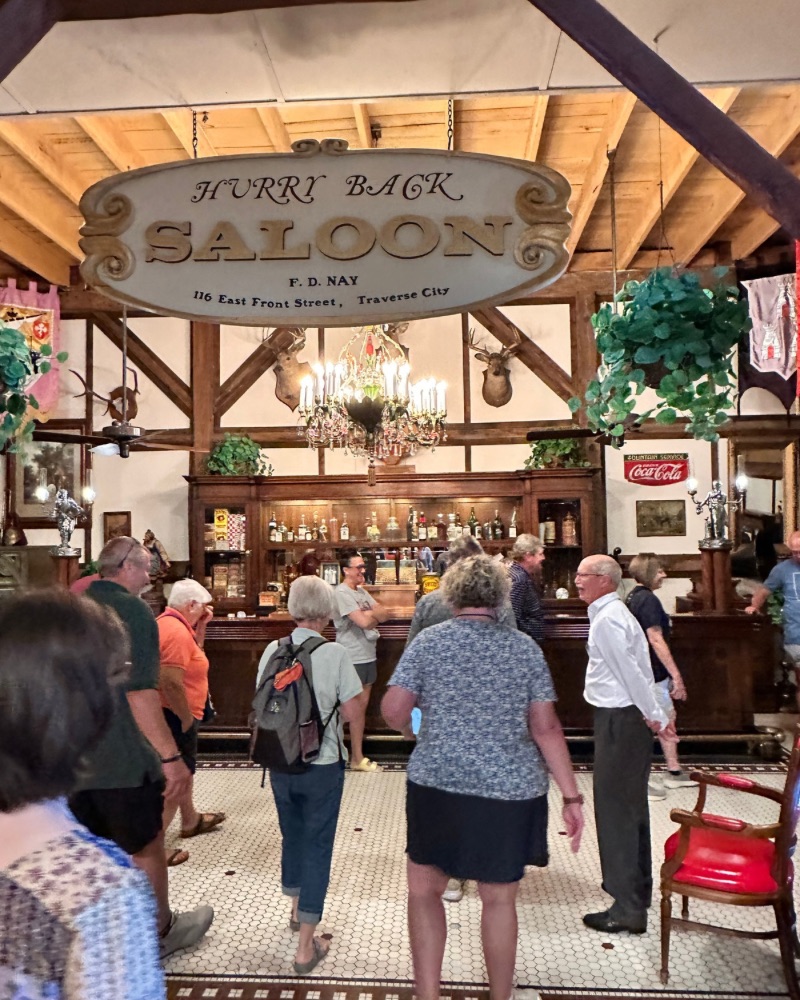
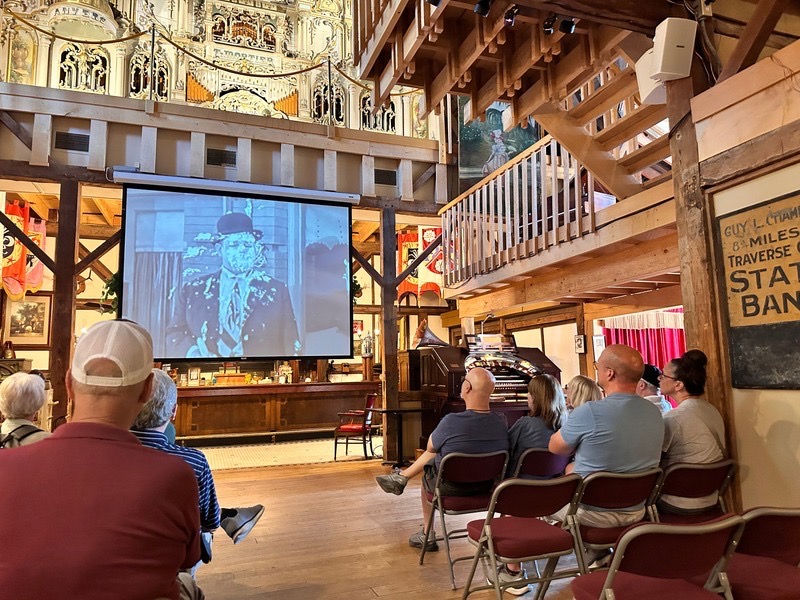
Tours are very demonstration‑driven: docents play many of the machines live, often ending with a silent movie segment accompanied by the theater organ, which makes it feel more like a performance than a static museum visit.
Even better: the knowledgeable guides tailor the tour to the group, answer lots of questions, and keep things engaging for music lovers and other areas of interest.
It’s really cool that the staff explains the history and mechanics first, then plays the instruments for you live. It feels like a blend of concert and live demo rather than a museum visit for a good part of the tour.
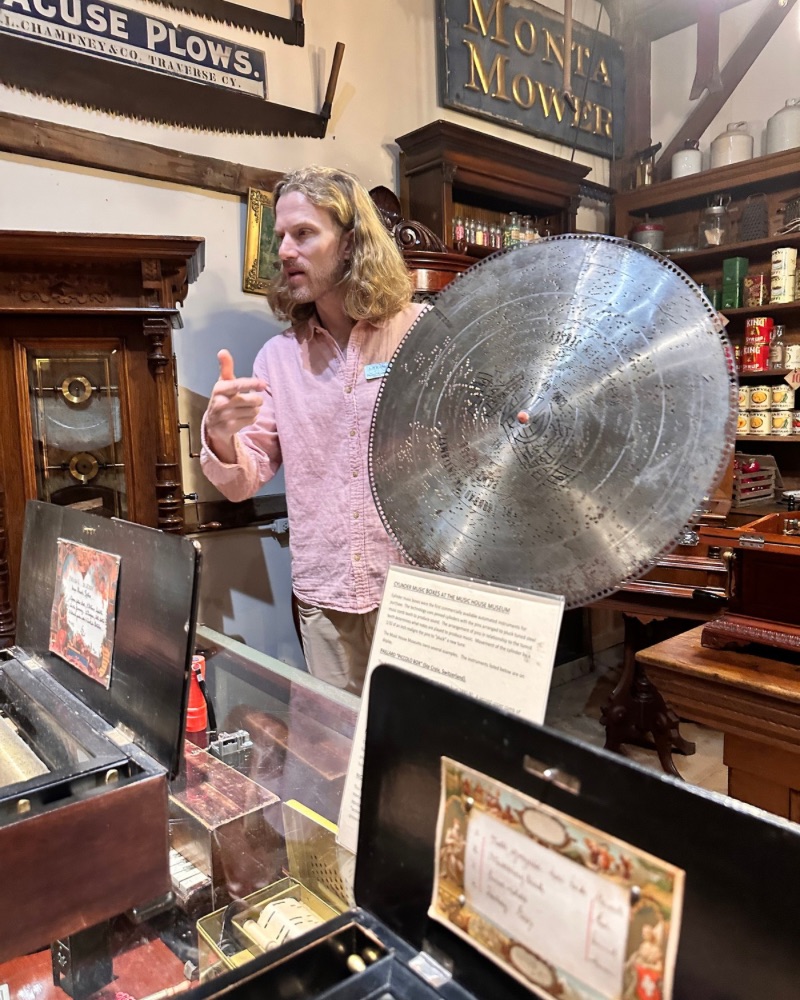
It was pretty special to see and hear the working player pianos, dance‑hall organs, nickelodeons, music boxes, and theater organs as they were meant to be heard.
(The museum follows a “restore, not repair” philosophy: they keep the instruments as historically accurate as possible rather than modernizing them, and they emphasize hearing the actual machines instead of digital recordings.)
What You Actually See and Hear
The core collection walks you through the evolution of automated music.
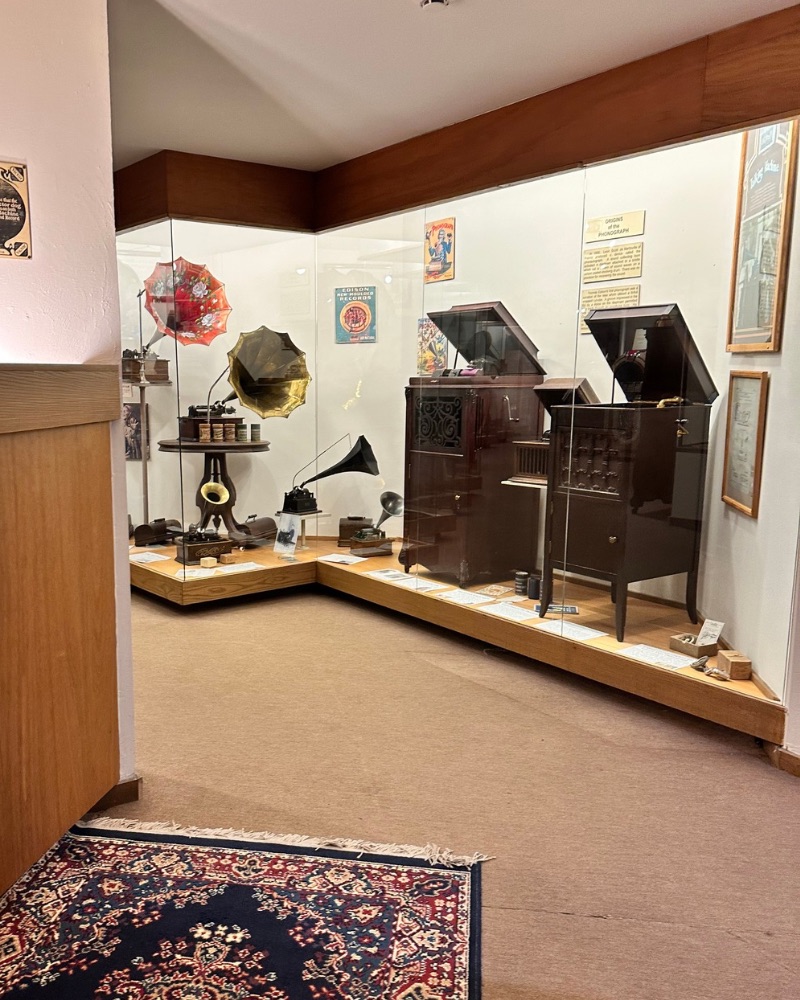
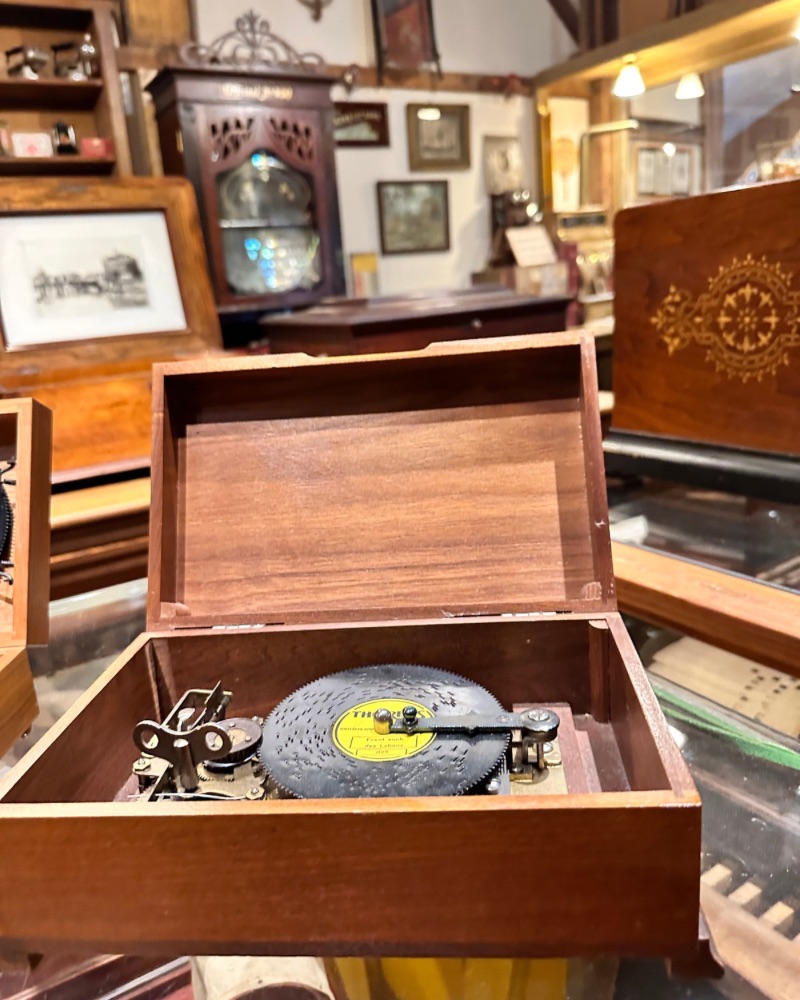
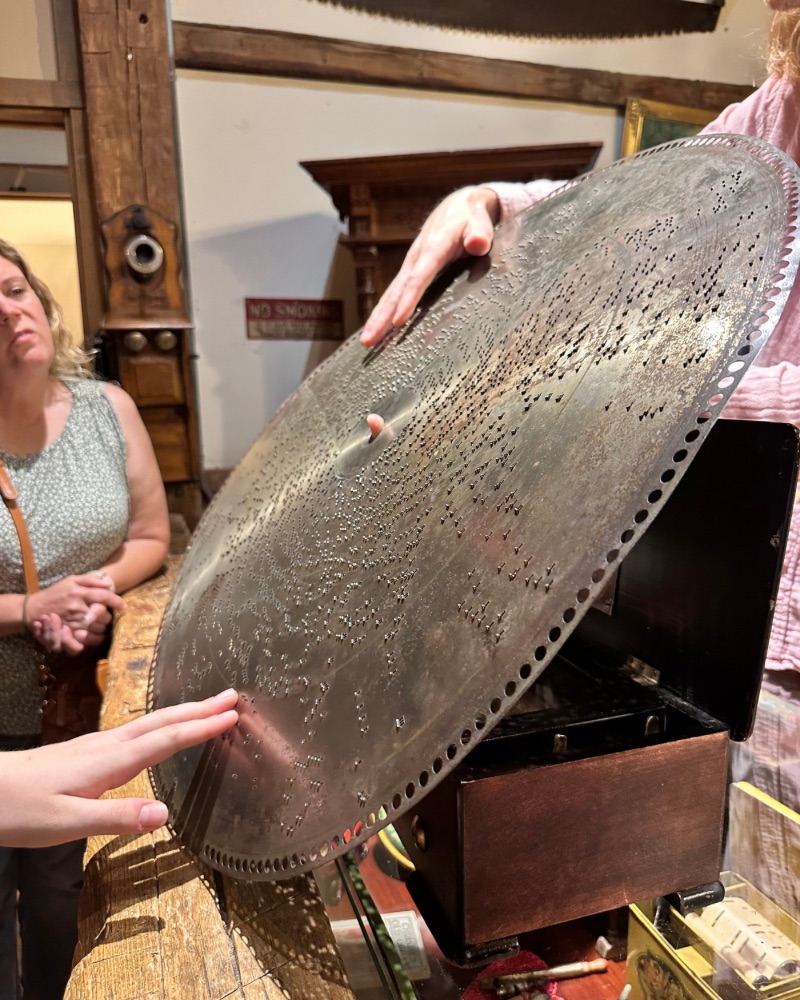
You’ll start with small music boxes, progress to nickelodeons, then on to player pianos, reproducing pianos, orchestrions, early phonographs, radios, and finally, large dance‑hall organs.
The tour guide brings these instruments to life, sprinkling in local lore before playing each of them. Some of the favorites on the tour:
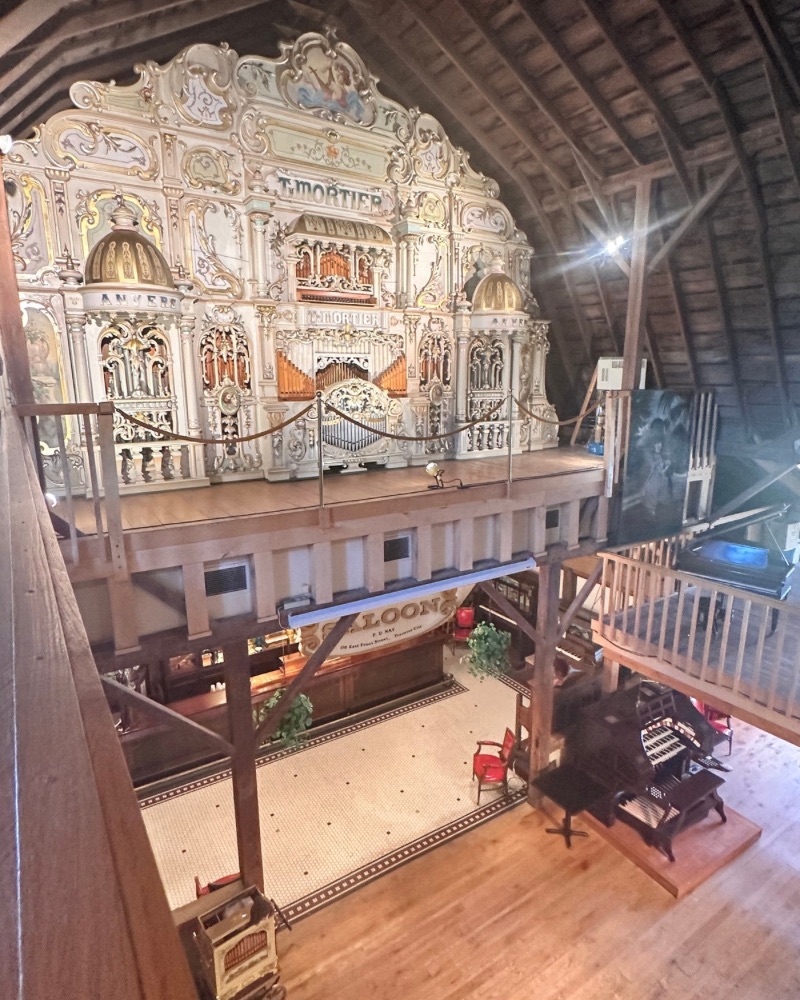
Gigantic Dance Hall Organ. This is the grand finale, to be honest. The standout piece is the 1922 Mortier “Dance Amaryllis” Belgian dance‑hall organ, roughly 5,000 pounds and one of only two known surviving instruments of that size and style.
Theater Organ. This gave me baseball game vibes. I loved it! It’s a large Wurlitzer theater organ used to accompany silent films. You get a sample of that on the tour.
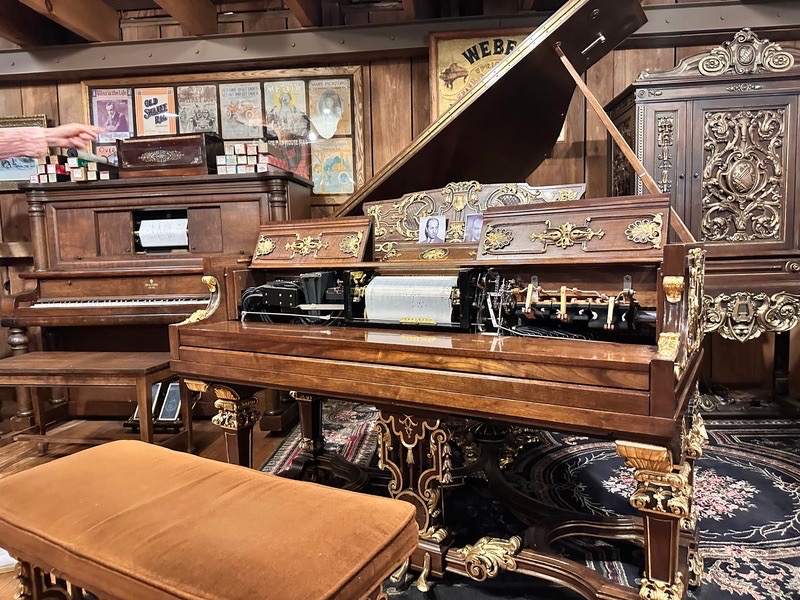
Special Player Pianos! Specifically, a Weber Duo‑Art reproducing piano that can play original rolls recorded by pianists like George Gershwin, so you literally hear his touch reproduced mechanically. By the end of the tour, you’ll know what a reproducing piano is. Crazy cool.
Other Old Self-Playing Devices. Vintage phonographs and radios that show how recorded sound evolved.
And, along the way, you’ll hear the natural sound of the organs, music boxes, and player pianos when they’re played live. It really is unlike anything we could ever hear from modern speakers.
Concerts at the Music House Museum
Beyond regular tours, they bring the instruments in the museum to life when they host concerts, special events, and even a Silent Film Series where the Wurlitzer organ accompanies classic films live.
All sorts of musicians of all genres are guest performers at these concerts so there’s a huge variety from one performance to the next.
What does remain constant between events though: the big emphasis on the live sound of the historic instruments themselves, plus concerts are indoors in their barn hall, keeping them small and personal, so you feel close to the instruments and performers.
Concert admission is $25 per person for 2026.
If You Go
Location. The Music House Museum is pretty close to the Grand Traverse Resort. It’s on US‑31 in Acme/Williamsburg, about 10–15 minutes northeast of downtown Traverse City, at 7377 US‑31 N (bay side of the road, just north of M‑72).
Tours. Guided tours are the main way to experience it: they run continuously during open hours, with the last full tour starting mid‑afternoon (historically around 2:30 PM, with join‑any‑time until about 4 PM).
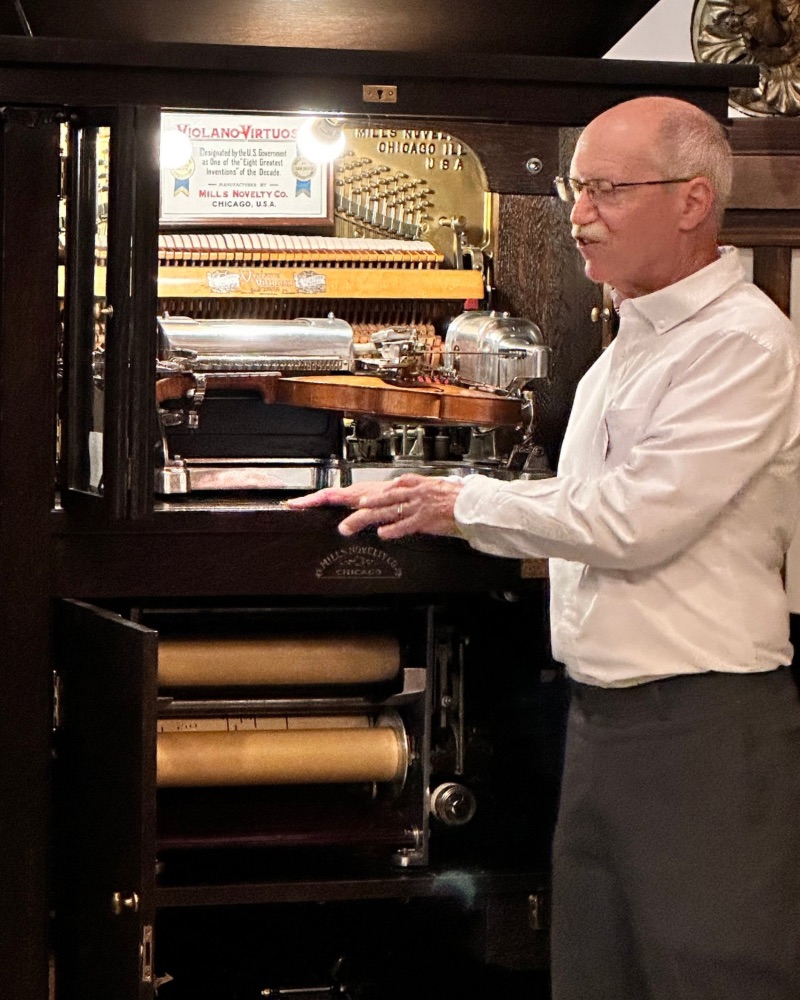
Time for Visit. The standard visit is about 1.5 hours, docent‑guided, with a mix of history, engineering, and live music. You can get the gist of everything in about an hour, but 1.5–2+ hours is better if you want to really experience everything and not feel rushed.
Itinerary. Because it’s relatively small and specialized, the Music House works well as a half‑day outing: you could do a morning tour there, then head into Traverse City or Elk Rapids for antiques or other stops.
(If you’re planning a specific day, it’s worth checking their current seasonal hours and ticket prices directly on their site, as those have changed over time and they also add special events.)
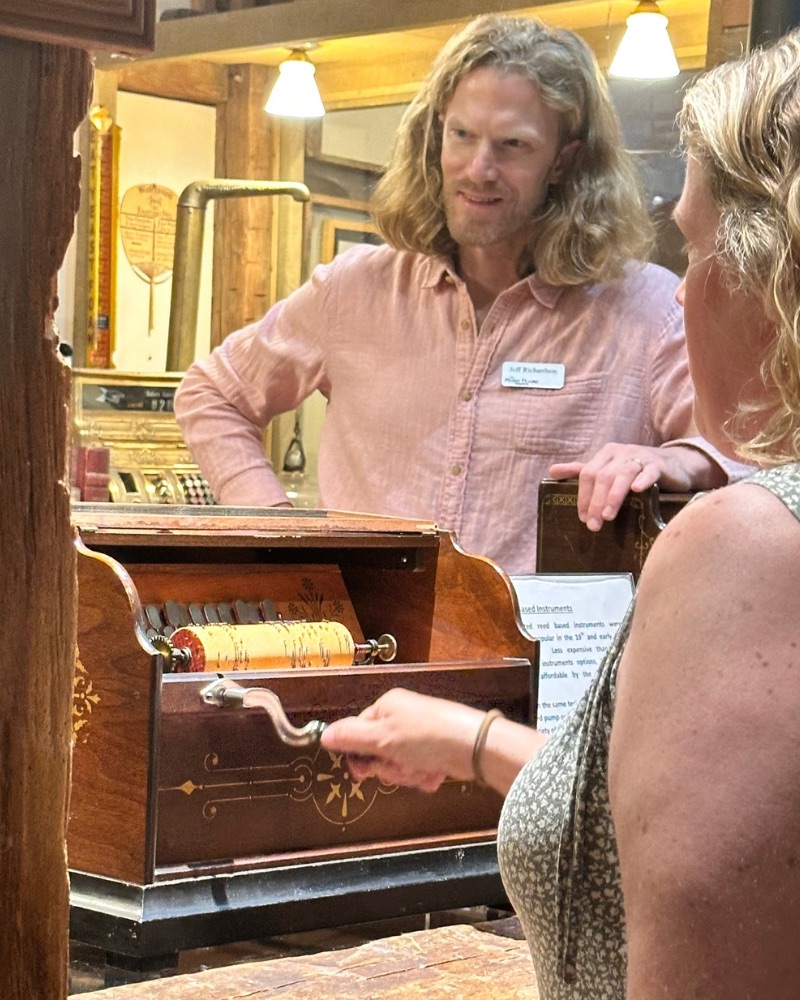
Add the Music House Museum to Your Up North Itinerary
If you’re into antiques or vintage stuff, or if you’re a music nerd, do yourself a favor and add this historic barn/granary complex to your next Up North getaway.
Where else will you be able to experience live accompaniment on the Wurlitzer and other instruments in a restored barn? It’s a step back in time that stands out from your typical tourist attractions.